We all love that feeling of being cosy and warm while the weather is the complete opposite outside. The cold winter months are a stark reminder of this and are the perfect showcase for insulations capabilities.
Being hidden behind walls, insulation can often be overlooked but plays a pivotal role in keeping occupants warm, dry, and comfortable. That is why we want to shine the light on this underappreciated yet important construction material.
So, starting at a basic level, what is insulation?
Insulation is a material that is used to stop heat, sound or electricity from escaping a source. These types of materials are designed to reduce what energy can travel through them. For this blog, we will be focusing on thermal insulation used in the construction of buildings.
How does thermal insulation work?
Thermal insulation creates a barrier to heat, making it harder for it to transfer through. When thinking of the function of a building, the insulation will stop heat from escaping during winter, while in summer, it can help to reduce heat transfer in.
Heat is transferred in three ways:
1 – Conduction: This is the transfer of heat through air.
2 – Convection: This is the transfer of heat through an object.
3 – Radiation: This is when heat is transferred without direct contact.
Your standard thermal insulation found in buildings works to slow down conductive and convective heat.
What different types of thermal insulation are there?
There is a range of insulation materials used within modern buildings. Here are a few of the most common materials used for insulation and their pros and cons.
Fibreglass:
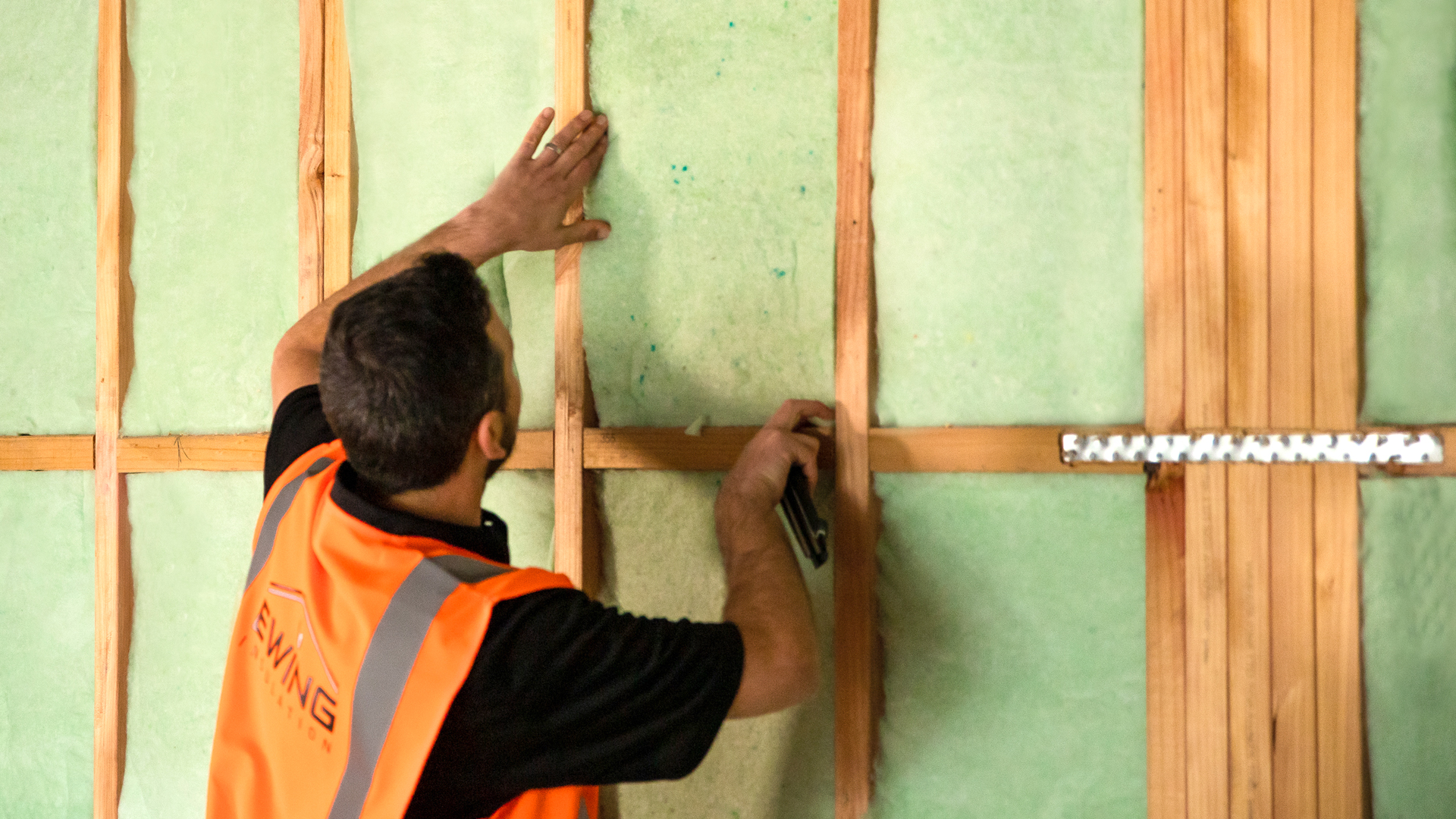
This insulation is made from small pieces of glass materials that are melted and spun into long fibres, which are then bound together. While being an effective insulator, it does require protective equipment when working with it. Without protective equipment, this insulation can irritate and scratch your skin.
Spray foam:
Spray Polyurethane Foam (SPF) is a plastic-based foam that is sprayed into wall cavities as insulation. This is an effective insulator but can’t be reused.
Polystyrene:
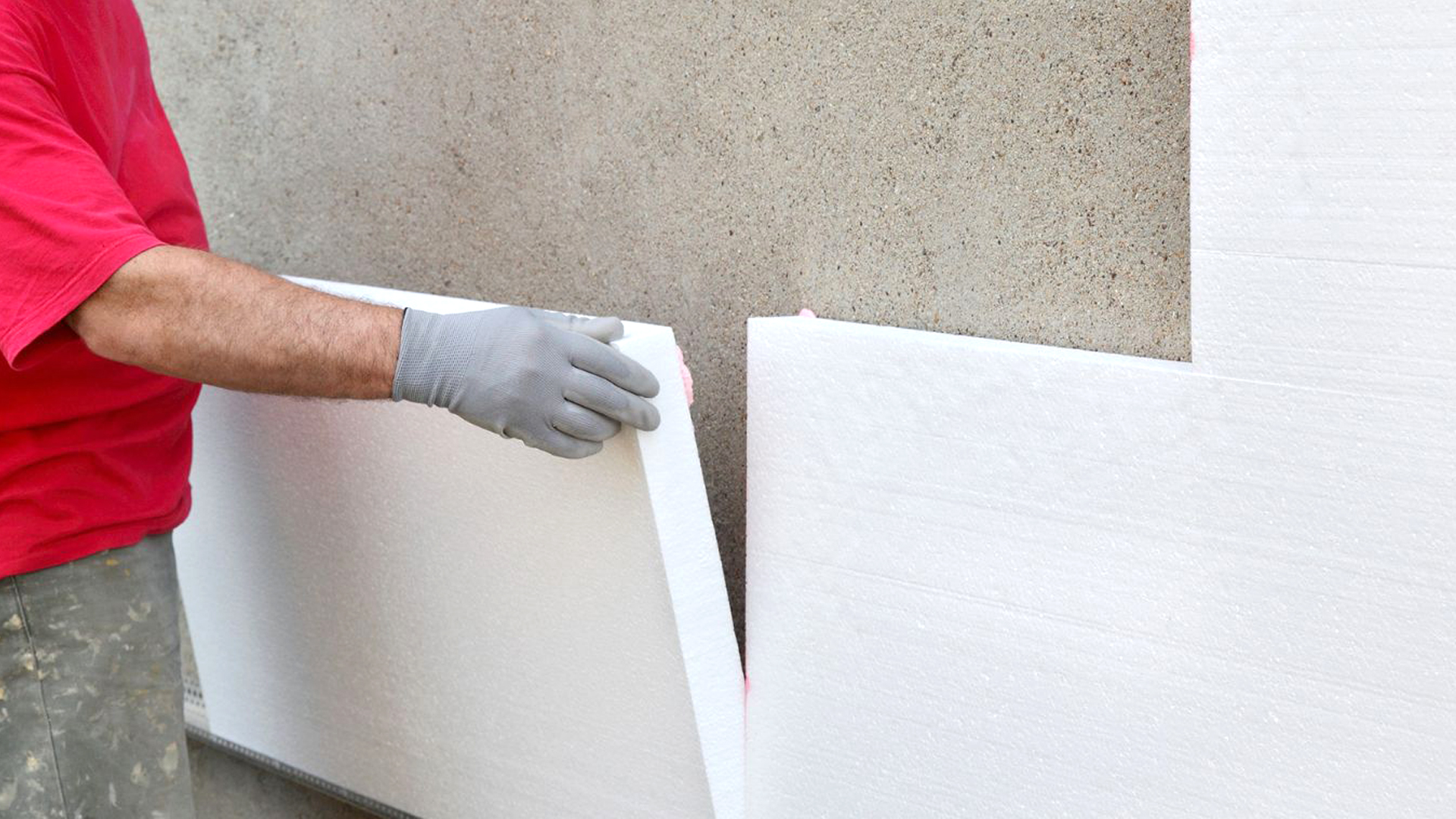
Moulded together from polystyrene beads, this insulation is a rigid solution. While having effective thermal resistance properties, due its rigidity, it lacks the durability that other insulations can provide. It can also be can be a fire risk.
Polyester:
This insulation is made from polyester fibres that are bound together to form rolls or blankets of material. Although more expensive than other materials, polyester insulation has several advantages due to its durability and non-irritating qualities.